Review: Christmas Lights Machine Embroidery for Craft Fairs
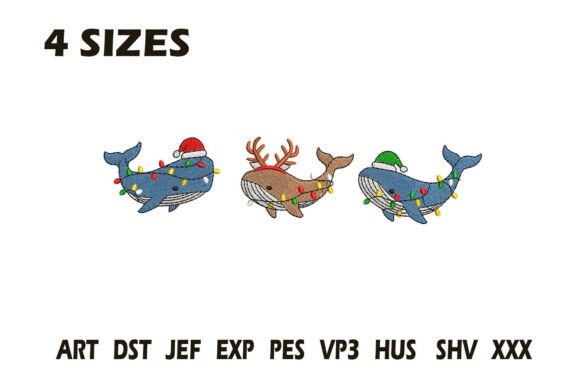
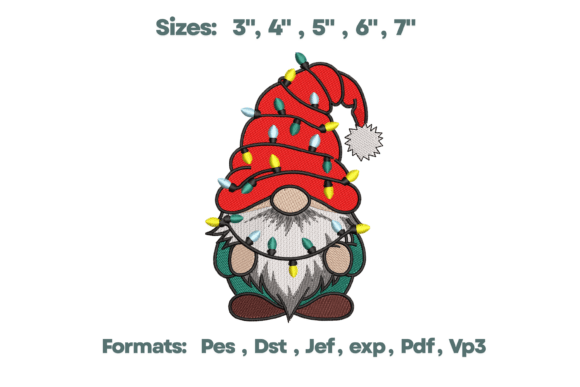
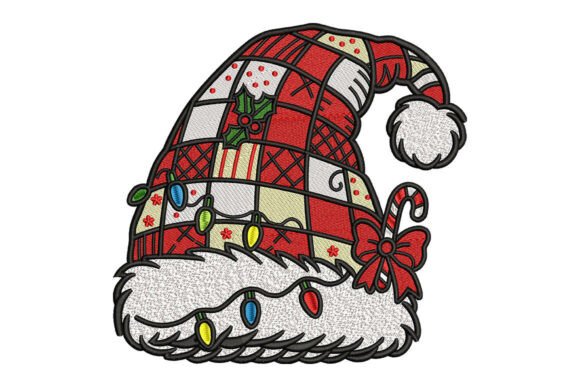
As an embroidery designer who has spent countless weekends standing behind booth tables, I know that the difference between a browsing customer and a buying customer often comes down to visual impact. When I first loaded the Christmas Lights Machine Embroidery design onto my machine, my immediate thought was about its potential as a high-volume craft fair product. The description promises a festive glow, and in the world of holiday markets, lighting effects—whether real or stitched—are absolute magnets for attention.
This review is written from the perspective of someone who needs designs to perform not just on screen, but in the harsh fluorescent lighting of a convention center or the soft glow of a boutique display. We are looking at this machine embroidery design through the lens of production efficiency, aesthetic appeal, and sales potential for Etsy sellers and handmade shop owners.
First Impressions and Aesthetic Appeal
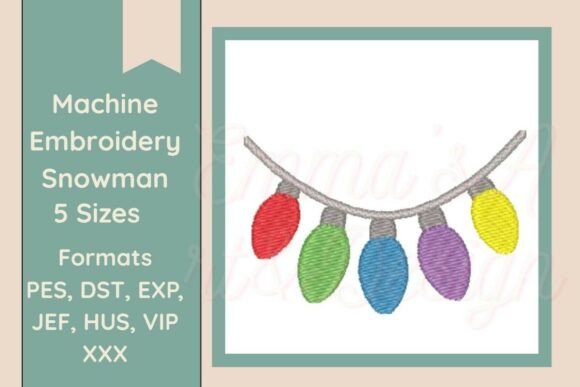
The initial vibe of this design is undeniably festive and warm. It does not lean too heavily into rustic farmhouse or ultra-modern minimalism; instead, it strikes a balance that feels traditional yet fresh. For a craft fair product, this versatility is crucial. You do not want a design that only appeals to one specific demographic. The string light motif suggests a cozy, inviting atmosphere, which is exactly what holiday shoppers are seeking.
When evaluating the visual appeal, consider how the "glow" is achieved. In embroidery, this usually means using lighter thread colors against a darker background or utilizing satin stitches to catch the light. If the design uses varied thread colors effectively, it can mimic the twinkle of actual bulbs. This attention to detail elevates the perceived value of the finished product, making it look like a premium item rather than a mass-produced good.
Product Applications for Maximum Sales
To maximize your return on investment for this digital embroidery file, you need to place it on products where it will be seen and appreciated. Here is how I would deploy this design in a real-world market scenario:
- Tote Bag Design: A canvas tote with this design centered is a staple. It is practical, reusable, and serves as a walking advertisement for your brand. Ensure the hoop size is large enough to make the lights visible from a distance.
- Apron Embroidery: Holiday hosting is huge in December. An apron with a string of lights across the bib or pocket area is a charming gift idea. It adds personality to a functional item.
- Tea Towel Embroidery: Kitchen textiles are impulse buys. However, be cautious here. Tea towels have a loose weave. You must use a proper cut-away stabilizer to prevent puckering, and ensure the stitch density is not so high that it distorts the fabric texture.
- Embroidered Patch: If the design scales down well, turning it into an iron-on patch allows customers to customize their own jackets or bags. This expands your market to younger demographics who love DIY customization.
- Pillow Covers: A large-scale version of this design on a velvet or linen pillow cover creates a luxurious feel. The contrast between the shiny embroidery threads and matte fabric can be stunning.
Production Practicality and Batch Efficiency
For small shop owners, time is money. A design that takes four hours to stitch is rarely viable for a busy holiday season unless you are charging premium prices. While I do not have the exact stitch count for this specific file, the description mentions "detailed string light," which implies complexity. Before committing to a large batch, you must test the design on scrap fabric.
Check the stitch density. If the lights are created with dense satin stitches, they will look rich and raised, but they may take longer to sew. If they are simple running stitches, they will be faster but might lack visual pop. Find the balance. Also, consider thread changes. Does the design require frequent color swaps? Each stop and start adds minutes to your production time. Streamlining this process is key to maintaining healthy margins on your small shop product line.
Technical Considerations and Careful Use
Even the best designs can fail if applied incorrectly. Here are critical technical notes for using this embroidery file:
- Fabric Texture: Textured towels or thick denim can obscure small details. If the light bulbs in the design are tiny, they may get lost in the nap of a terry cloth towel. Always test on the exact material you intend to sell.
- Curved Surfaces: Applying this to caps requires careful hooping. The curvature of a cap can distort circular or linear designs. Use a cap frame and ensure the design is centered perfectly to avoid a skewed appearance.
- Dark Fabric: To achieve the "glow" effect, thread contrast is vital. On dark navy or black fabric, use bright whites, yellows, and reds. On light fabrics, you may need to outline the lights in a darker thread to ensure they stand out.
- Scaling: Do not assume the design works at any size. Shrinking it too much may cause stitches to merge, losing the definition of individual bulbs. Enlarging it too much may reveal gaps in the stitch pattern. Stick to the recommended hoop size ranges provided by the designer.
Marketing and Visual Storytelling
For the Etsy seller or online boutique owner, photography is everything. This design lends itself beautifully to lifestyle shots. Imagine a mug of hot cocoa next to a tote bag featuring the Christmas Lights Machine Embroidery, with fairy lights blurred in the background. This creates an emotional connection with the buyer.
Create a printable mockup or digital asset showing the design on various products for your listing images. This helps customers visualize the end result. Highlight the handmade quality in your descriptions. Mention that each stitch is placed with care, distinguishing your commercial embroidery work from printed alternatives. The tactile nature of embroidery is your biggest selling point.
Final Designer Verdict
The Christmas Lights Machine Embroidery design holds strong potential for holiday sales. Its charm lies in its universal appeal and adaptability across various design assets. However, success depends on execution. Verify the commercial licensing terms before selling finished products. Test your tension, choose the right stabilizer, and ensure your thread colors pop against your chosen fabrics.
If you can master the technical application, this design can become a cornerstone of your holiday collection. It offers the festive spirit customers crave while allowing you to produce items that are both beautiful and profitable. Remember, in the crowded marketplace of holiday goods, clarity, quality, and speed are your best tools. Use this design wisely, and let your stitching shine.