Review: Matthew 14 20 Loaves and Fish Embroidery
As an embroidery designer who has spent years digitizing files for small businesses, I approach every new machine embroidery design with a critical eye. It is not just about whether a pattern looks cute on a screen; it is about how it performs on actual fabric, how it holds up in the wash, and most importantly, how it serves the brand identity of the business using it. Recently, I reviewed Matthew 14 20 Loaves and Fish Embroidery, a file that promises to bring charm to fabrics with a playful touch. While listed under the Christmas category, its potential extends far beyond seasonal decor, offering unique opportunities for branded merchandise and custom apparel.
First Impressions and Visual Personality
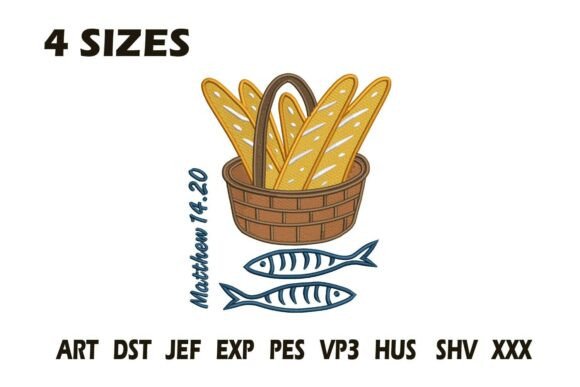
The initial appeal of Matthew 14 20 Loaves and Fish Embroidery lies in its whimsical nature. The description highlights a fun, charming aesthetic suitable for t-shirts, towels, and home decor. From a design perspective, this suggests a lighter stitch count and open spacing, which is ideal for maintaining a soft hand feel on garments. For small business owners, particularly those in the bakery, café, or artisanal food sectors, this visual personality is gold. It feels handmade, approachable, and warm.
Unlike rigid corporate logos, this design offers a rustic and friendly vibe. It does not scream "premium luxury" in the traditional sense, but it excels in conveying authenticity and community spirit. For Etsy sellers and crafters, this distinction is vital. Customers buying handmade products often seek that personal, imperfectly perfect touch that machine embroidery can provide when the design is chosen wisely.
Real-World Applications for Small Business Merch
When evaluating a digital embroidery file for commercial use, I always map out specific applications. Here is how Matthew 14 20 Loaves and Fish Embroidery performs across various business assets:
- Apron Embroidery: This is perhaps the strongest use case. For bakeries and local cafés, an apron featuring loaves and fish creates an immediate thematic connection to food service. It adds a layer of professionalism while keeping the staff looking approachable.
- Tote Bag Design: Reusable bags are a staple for boutique merchandise. The playful nature of this design works well on canvas, providing a decorative accent that encourages customers to use the bag daily, effectively turning them into walking billboards for your brand.
- Embroidered Patches: Creating iron-on or sew-on patches allows for versatile branding. You can apply these to denim jackets, hats, or even packaging. However, size matters here. Ensure the details remain clear when scaled down for a small patch.
- Cap Embroidery: Placing this design on the front or side of a cap can be tricky due to the curved surface. It works best if simplified or placed on the side panel where the fabric is flatter.
- Staff Uniforms: For a left-chest logo accent, this design adds character without being overpowering. It breaks the monotony of plain work shirts and fosters a sense of team identity.
Technical Considerations and Stitch Density
While the aesthetic is charming, technical execution is where many small business owners stumble. The description mentions it is perfect for towels and home decor, which implies it may have a higher stitch density to withstand friction and washing. However, when applying it to delicate fabrics like lightweight t-shirts, you must be cautious.
I recommend testing the design on a scrap piece of your actual production fabric first. Check the thread colors against your material. If you are stitching on dark uniforms, ensure you have enough contrast or plan for an underlay that prevents the fabric color from bleeding through the design. Additionally, review the spacing between elements. Tight spacing can lead to thread breaks or puckering, especially on stretchy materials.
Another critical factor is the hoop size. Since the exact dimensions are not specified in the brief description, you must verify that the design fits within your machine’s standard hoops. If you are creating an embroidered patch, you might need to resize the file. Always check if the software allows for resizing without distorting the stitch angles, as this can affect the final look of the loaves and fish motifs.
Brand Identity and Customer Trust
Using Matthew 14 20 Loaves and Fish Embroidery is not just about decoration; it is a strategic move for brand identity. In a market saturated with generic printed merchandise, embroidered items signal quality and durability. When a customer receives a tote bag or apron with this design, they perceive higher value. It suggests that the business cares about details and invests in tangible assets.
For handmade brands, this design reinforces the narrative of craftsmanship. It aligns with values of tradition and care. However, consistency is key. If your brand is ultra-modern and minimalist, this whimsical design might clash. But for brands rooted in community, faith, food, or rustic aesthetics, it enhances recognition and trust. It makes your small business merch feel like a collectible item rather than a disposable promo product.
Practical Designer Notes for Production
Before launching a full production run using Matthew 14 20 Loaves and Fish Embroidery, follow these steps to ensure a professional finished product:
- Test in Black and White: Before committing to colorful threads, stitch the design in black thread on white fabric. This helps you see the structure and density clearly without the distraction of color.
- Check Stabilizer Requirements: Given the potential for use on towels and t-shirts, choose the right stabilizer. Cut-away stabilizer is often best for stretchy knits to prevent distortion, while tear-away might suffice for woven tote bags.
- Create a Printable Mockup: Use design software to place the embroidery file on a photo of your actual product. This helps clients visualize the scale and placement before you spend time and thread on sampling.
- Verify Commercial Licensing: Always confirm the license terms included with the digital embroidery file. Ensure you have the rights to use it for physical goods sold for profit. Do not assume; read the fine print.
- Inspect Fabric Texture: Highly textured fabrics like terry cloth towels can swallow small details. If the fish or loaf details are fine, they may get lost. Consider increasing the satin stitch width if possible.
Final Verdict for Merch Creators
Matthew 14 20 Loaves and Fish Embroidery is a versatile asset for the right business. It shines in environments that value warmth, tradition, and a personal touch. While it requires careful attention to technical details like stabilizer choice and fabric compatibility, the payoff in brand perception is significant. For Etsy sellers, boutique owners, and local service providers, this design offers a way to create memorable, high-quality custom apparel and accessories that customers will love to use and display. Just remember to test thoroughly and respect the technical limits of your equipment to achieve the best results.