Review: Tropical Hibiscus Embroidery Style PNG for Makers
As a designer who has spent countless hours digitizing files and testing stitches on everything from thick denim to delicate silk, I approach every new digital embroidery file with a critical eye. We often see beautiful previews online, but the real test is how a design translates from screen to needle. Recently, I evaluated the Tropical Hibiscus Embroidery Style PNG to determine its viability for real-world projects. This isn’t just about aesthetics; it is about understanding how this graphic performs when subjected to the mechanical realities of an embroidery machine.
First Impressions and Visual Mood
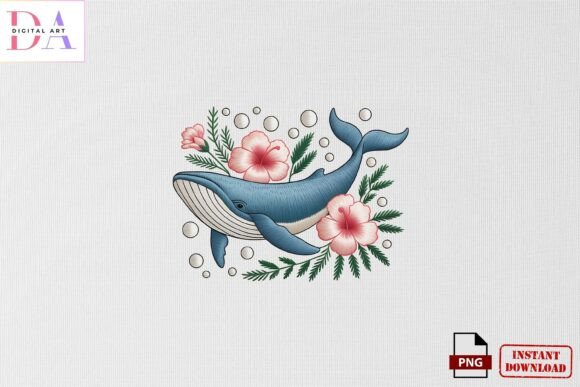
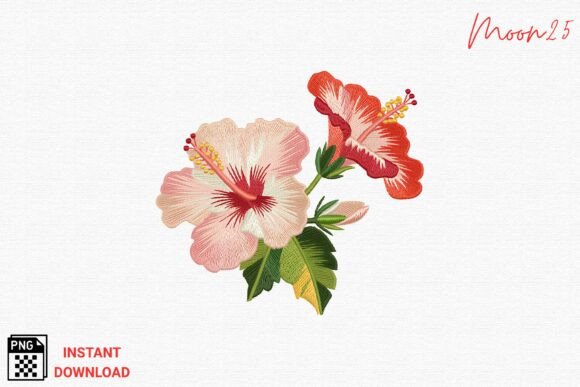
The first thing that strikes you about the Tropical Hibiscus Embroidery Style PNG is its vibrant energy. The composition features a cluster of hibiscus flowers and buds that immediately evoke a sense of warmth and leisure. For those of us in the Crafts industry, mood is half the battle. This design does not feel stiff or overly geometric; instead, it carries an organic flow that mimics natural growth.
From a layout perspective, the arrangement is balanced. It avoids the common pitfall of being too top-heavy or lopsided, which is crucial when centering a design on a garment. The visual personality is bold yet approachable, making it suitable for a wide demographic. Whether you are creating a personalized gift for a summer wedding or stocking your Etsy seller shop with seasonal items, the tropical theme has broad appeal without feeling cliché.
Real-World Application: The Tote Bag Test
To truly understand the value of this asset, I imagined a specific scenario: preparing a custom embroidered tote bag for a boutique client. Tote bags are a staple for any small shop product line because they are practical and serve as walking advertisements. I visualized placing the Tropical Hibiscus Embroidery Style PNG on a heavy canvas tote.
In this context, the design shines. The cluster format allows for a substantial visual impact without requiring an excessively large hoop size. If you were to use this on a standard 5x7 hoop, the density of the floral cluster would provide excellent coverage, hiding the fabric weave beneath the threads. Customers reacting to such a piece would likely perceive it as high-quality due to the fullness of the design. It transforms a simple utility item into a statement piece, enhancing the perceived value of the handmade product.
Versatility Across Product Lines
Beyond tote bags, this design demonstrates significant versatility. Here is how it performs across different categories:
- Custom Apparel: On a sweatshirt, the vibrant colors of the hibiscus pop against neutral tones like heather gray or navy. It works well as a left-chest logo or a larger back print.
- Baby Embroidery: When scaled down for baby clothes, ensure the details remain clear. The organic shapes are soft and friendly, avoiding sharp angles that might look aggressive on infant wear.
- Home Decor: For pillow covers or kitchen towels, the tropical theme adds a fresh, seasonal update. It is particularly effective for holiday embroidery during summer months or for vacation rental branding.
- Embroidered Patch: This design could easily be adapted into a patch format. The clustered layout fits well within circular or oval boundaries, making it ideal for iron-on or sew-on accessories.
Technical Considerations for Stitching
While the visual appeal is strong, we must discuss the technical execution. Since this is provided as a PNG, it is a raster image, meaning it is a visual reference rather than a direct machine embroidery design file like PES or DST. You will need to digitize this or use auto-digitizing software with caution.
When converting this Graphics asset into stitches, pay close attention to stitch density. Hibiscus petals are broad and smooth, suggesting the use of fill stitch patterns. However, if the density is too high, the fabric may pucker, especially on thinner materials. Conversely, if the density is too low, the fabric background will show through, ruining the vibrant effect. I recommend using a combination of fill stitches for the petals and satin stitch for the outlines or smaller buds to create textural contrast.
Another critical factor is the thread colors. The preview shows vibrant hues, but thread behaves differently than pixels. Metallic or variegated threads could enhance the tropical feel, adding depth to the petals. Always test your thread choices on scrap fabric before committing to the final embroidery project.
Where to Use Caution
Not every surface is ideal for this design. Be cautious when applying it to:
- Stretchy Fabric: Without proper stabilization, the weight of the floral cluster can distort knit fabrics like t-shirts. Use a cut-away stabilizer to maintain shape.
- Dark Fabric: If the design relies on light-colored threads for highlights, ensure there is enough underlay stitching to prevent the dark fabric from bleeding through.
- Curved Surfaces: While it works on caps, the clustered nature of the design requires careful hooping to avoid distortion on the curved front panel of a hat.
- Small Hoop Sizes: If you shrink the design too much for a small hoop, the intricate details of the buds may merge, losing definition. Always check the minimum viable size.
Enhancing Brand Consistency and Value
For creative entrepreneurs and craft business owners, consistency is key to building trust. The Tropical Hibiscus Embroidery Style PNG offers a professional look that can elevate your brand. When customers see clean, well-executed embroidery, they associate it with quality. This design, when stitched correctly, contributes to that perception.
Using this asset in your printable mockup previews can also boost buyer engagement. A realistic representation of how the design looks on a finished product helps customers visualize ownership. Whether you are selling design assets or finished goods, the professional presentation of this tropical motif can differentiate your offerings in a crowded marketplace.
Practical Designer Notes
Before you launch into production, keep these practical tips in mind:
- Test on Scrap Fabric: Never skip this step. Check for puckering, thread breaks, and color accuracy.
- Check Contrast: View your design in black and white to ensure the shapes are distinct and not relying solely on color for definition.
- Confirm Licensing: Since this is a digital file, verify the license terms. Ensure you have the right to use it for commercial embroidery if you plan to sell the finished items.
- Stabilizer Selection: Match your stabilizer to your fabric. A heavy canvas needs different support than a lightweight linen tea towel.
- Inspect Small Details: Zoom in on the PNG to identify any tiny elements that might not stitch out cleanly. You may need to simplify certain areas during digitization.
In conclusion, the Tropical Hibiscus Embroidery Style PNG is a robust resource for designers looking to add a touch of the tropics to their portfolio. It balances aesthetic charm with practical applicability, provided you respect the technical requirements of embroidery. By carefully considering fabric choice, stitch density, and placement, you can transform this digital graphic into a stunning tangible product that resonates with customers and enhances your brand’s reputation.