Reviewing Thankful Mama Fall Embroidery Design
As an embroidery designer who has spent years digitizing files and consulting with small business owners, I approach every new machine embroidery design with a critical eye. It is not enough for a design to simply look cute on a screen; it must perform under the needle, withstand wear and tear, and elevate the brand it represents. Today, I am reviewing the Thankful Mama Fall Embroidery Design, a playful addition to the autumn collection that promises to bring charm to various fabrics. For boutique owners, Etsy sellers, and local businesses looking to expand their seasonal offerings, this review breaks down how this design functions in a commercial setting.
First Impressions and Visual Personality
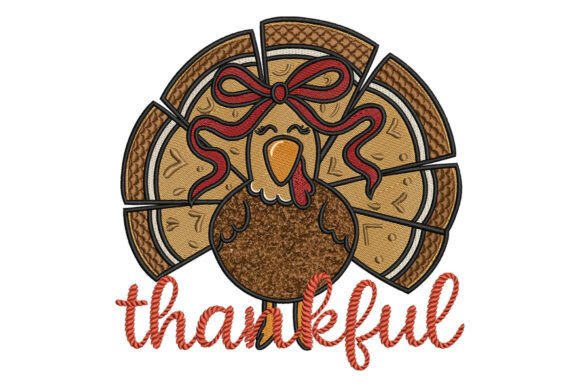
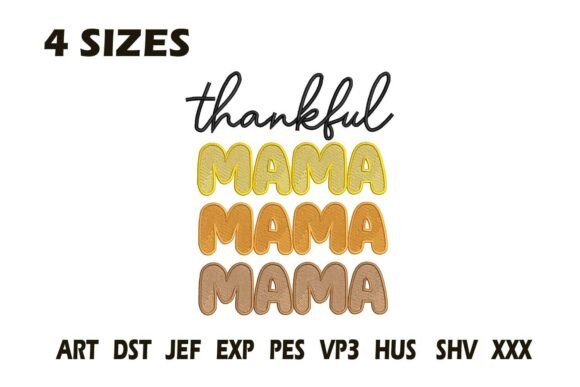
The initial appeal of the Thankful Mama Fall Embroidery Design lies in its whimsical nature. The product description highlights its ability to add a fun touch to t-shirts, towels, and home decor. From a branding perspective, this suggests a personality that is friendly, approachable, and rooted in traditional values. It does not scream high-tech minimalism; rather, it leans into the rustic, handmade aesthetic that customers often associate with authenticity and warmth.
For a small business, such as a family-owned bakery, a florist, or a creative studio, this visual language is powerful. It signals to the customer that the brand cares about comfort and tradition. However, "playful" can sometimes translate to "busy" if not managed correctly. My first step in any review is to assess whether the lines are clean and whether the spacing allows for proper stitch formation without excessive jumping or thread breaks.
Real-World Applications for Small Business Merch
When considering small business merch, versatility is key. The Thankful Mama Fall Embroidery Design shines when applied to items that benefit from a personal touch. Here is how I envision this design performing across different product categories:
- Embroidered Patches: This is perhaps the strongest use case. A patch allows for dense stitching on a stable backing before application. It creates a premium feel that can be ironed or sewn onto denim jackets, canvas totes, or aprons. It turns a standard garment into a collectible item.
- Apron Embroidery: For cafes and bakeries, staff uniforms are walking billboards. Placing this design on the chest pocket area of a canvas apron adds character without overwhelming the professional look. It reinforces the "home-style" quality of the food served.
- Tote Bag Design: Reusable bags are a staple for retail shops. Stitching this design on a natural cotton tote creates an instant bestseller during the fall season. The contrast of colorful threads against neutral fabric draws the eye and encourages social sharing.
- Cap Embroidery: While possible, caps require caution. The curved surface of a baseball cap can distort intricate details. If used here, the design should be scaled down significantly to fit the front panel without wrapping around the sides, ensuring it remains legible and neat.
Technical Considerations and Production Challenges
While the aesthetic is charming, the technical execution determines the longevity of the finished product. As a designer, I advise checking several factors before running a full production batch. The product description mentions it is perfect for t-shirts and towels, which implies it may have been optimized for knit and looped fabrics. However, each material behaves differently.
Stitch density is a major concern. If the design is too dense, it can cause puckering on lightweight t-shirts or make stiff patches uncomfortable to wear. Conversely, if the density is too low, the underlying fabric might show through, especially on dark uniforms. I recommend testing the embroidery file on scrap pieces of the exact fabric you intend to use. Pay close attention to the thread colors chosen. High contrast is good for visibility, but clashing colors can look amateurish. Stick to a cohesive fall palette—burnt oranges, deep browns, and mustard yellows—to maintain a premium look.
Another critical factor is the hoop size. Ensure the design fits comfortably within your machine’s hoop without requiring re-hooping, which can lead to misalignment. For smaller items like baby onesies or pocket squares, verify that the design scales down well without losing definition in the lettering or fine details.
Impact on Brand Identity and Customer Trust
Consistency builds trust. When a customer sees the Thankful Mama Fall Embroidery Design on a tote bag, then again on a staff member’s apron, and finally on a packaged gift item, it creates a cohesive brand experience. This visual consistency signals professionalism. It tells the customer that the business pays attention to detail.
For handmade brands and Etsy sellers, using a high-quality digital embroidery file like this one enhances the perceived value of the product. Customers are willing to pay more for items that feature precise, clean stitching rather than printed graphics that may crack or fade. The tactile nature of embroidery invites touch, creating a deeper emotional connection between the buyer and the handmade product.
Practical Designer Notes for Commercial Use
Before you commit to producing hundreds of units, follow these practical steps to ensure success:
- Test in Black and White: Convert the design to grayscale in your software to check for contrast issues. If the design disappears in black and white, it may lack definition in real life.
- Check Scalability: Resize the design to the smallest dimension you plan to use, such as a small patch or sleeve detail. Inspect it closely for overlapping stitches or gaps.
- Use Proper Stabilizer: The right stabilizer is non-negotiable. Use cut-away stabilizer for knits like t-shirts to prevent stretching, and tear-away for woven fabrics like towels or tote bags.
- Create a Printable Mockup: Before stitching, create a printable mockup to show clients or stakeholders. This saves time and thread by allowing for approval on the visual layout first.
- Verify Licensing: Always confirm the commercial licensing terms of the design assets. Ensure you have the right to sell products featuring this design, especially if you are creating custom apparel for resale.
In conclusion, the Thankful Mama Fall Embroidery Design offers a solid foundation for autumn-themed merchandise. It balances playfulness with a classic aesthetic that appeals to a broad audience. By paying attention to technical details like fabric texture, stabilizer choice, and placement, small business owners can leverage this design to create memorable, high-quality products that strengthen their brand identity. Whether used for commercial embroidery projects or small-batch craft sales, this design has the potential to become a seasonal staple in your portfolio.