Reviewing Lemon Embroidery Seamless Pattern for Craft Fairs
As an embroidery designer who has spent countless weekends standing behind booths at local markets, I have learned that not every machine embroidery design translates well to a physical product. Some look stunning on a screen but fail to catch the eye of a passerby. Today, I am reviewing the Lemon Embroidery Seamless Pattern, a digital asset categorized under Patterns and Graphics, to determine its viability for craft fair sellers, Etsy shop owners, and handmade entrepreneurs.
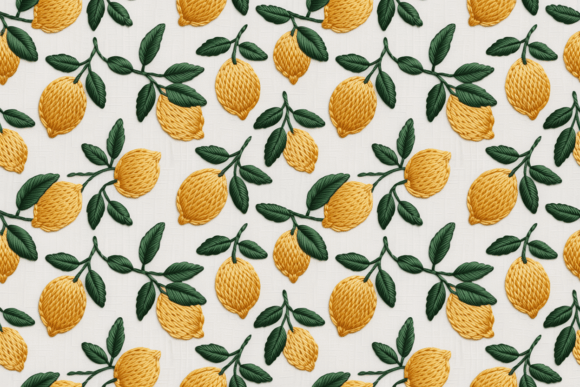
The first impression of this design is undeniably cheerful and fresh. Lemons evoke feelings of summer, cleanliness, and vitality. In a crowded marketplace, where buyers are scanning tables quickly, this motif stands out because it feels bright and inviting. It does not scream for attention with neon colors, but rather draws people in with a sense of warmth and domestic comfort. For a boutique maker, this aesthetic aligns perfectly with modern farmhouse, cottagecore, or minimalist spring collections.
Product Versatility and Market Appeal
The true test of any embroidery file is its adaptability. A seamless pattern offers unique advantages over single-motif designs because it can be scaled and repeated to fit various surface areas. When evaluating the Lemon Embroidery Seamless Pattern, I immediately considered its application on high-margin items.
- Tote Bags: This is perhaps the strongest candidate. A full-coverage lemon pattern on a canvas tote creates a statement piece that functions as both art and utility. It photographs beautifully for online listings, giving potential customers a clear idea of the scale.
- Aprons and Tea Towels: Kitchen textiles are staple craft fair products. The citrus theme naturally fits here. Using the pattern as an all-over print on a linen apron elevates the perceived value, moving it from a simple utility item to a giftable luxury good.
- Embroidered Patches: If the pattern can be isolated into smaller clusters, it works wonderfully for iron-on patches. These are excellent low-cost impulse buys that help cover booth fees.
- Pillow Covers and Pouches: For home decor enthusiasts, a subtle repeat on a cushion cover adds texture without overwhelming a living room. Small fabric pouches benefit from the pattern’s ability to wrap around curved surfaces seamlessly.
For Etsy sellers and digital creators, the availability of PNG files means you can create high-quality printable mockups before you even stitch a single thread. This allows you to test color combinations and gauge customer interest through social media polls, reducing the risk of producing inventory that does not sell.
Production Practicalities for Small Shops
From a production standpoint, batch efficiency is key. A seamless pattern allows for consistent branding across a product line. However, there are technical considerations every commercial embroidery professional must address before launching a new small shop product.
One major advantage of this type of graphic is its potential for visual impact at various sizes. Whether used as a large focal design on a market bag or a small accent on a cap brim, the lemon motif retains its recognizability. However, clarity is paramount. When shrinking the design for smaller items like coin purses or hat fronts, ensure that the details do not merge. Tiny leaves or intricate zest textures may become muddy if the stitch density is too high or if the thread contrast is poor.
Photography is another critical factor. Bright yellow threads against white or cream fabrics can sometimes wash out in natural light. To combat this, consider using a slightly darker background fabric, such as navy, sage green, or charcoal. This not only makes the lemons pop but also adds a premium feel to the finished product. High-contrast images perform better in algorithmic feeds, driving more traffic to your store.
Careful-Use Notes and Technical Adjustments
While the Lemon Embroidery Seamless Pattern is versatile, it requires careful handling on certain materials. Textured towels, for instance, can swallow up fine details. If you are stitching on terry cloth, you may need to adjust the pull compensation or use a cut-away stabilizer to prevent distortion. Similarly, curved surfaces like caps require precise hooping. A dense pattern on a structured cap front can cause puckering if the stabilizer is not robust enough.
Dark fabrics present another challenge. Standard yellow thread may not provide sufficient coverage on black or deep blue materials. In these cases, consider underlay stitches or switching to a brighter, almost neon yellow thread to maintain visibility. Always test the design on scrap fabric first. Check how the thread interacts with the fabric texture and adjust tension accordingly.
Since the product description notes "PNG AVAILABLE," it is crucial to verify the source of the actual embroidery data. PNGs are raster images, suitable for printing or sublimation, but they are not native embroidery files. If you are planning to stitch this design, you will need to convert the PNG into an embroidery format using digitizing software, or confirm if a compatible digital embroidery file (such as DST, PES, or EXP) is included or sold separately. Never assume a PNG is ready for the machine without proper digitization, as this can lead to broken needles and wasted thread.
Enhancing Brand Consistency and Buyer Engagement
Incorporating the Lemon Embroidery Seamless Pattern into your lineup can strengthen your brand identity. If your shop focuses on cheerful, home-centric goods, this design reinforces that narrative. Consistency builds trust. When customers see the same high-quality aesthetic across your tote bags, aprons, and packaging, they perceive your brand as professional and reliable.
Furthermore, this design encourages upselling. A customer buying a tea towel might be tempted to add a matching embroidered patch or a small pouch. By offering multiple products featuring the same pattern, you create a cohesive collection that feels curated rather than random. This strategy increases the average order value and enhances the overall shopping experience.
Final Designer Recommendations
Before committing to full production, follow these steps to ensure success:
- Test on Scrap Fabric: Stitch the design on the exact material you plan to sell. Check for puckering, thread breaks, and color vibrancy.
- Check Thread Contrast: Ensure the yellow stands out against your chosen background. Test on both light and dark fabrics.
- Review Spacing and Density: If converting from PNG, ensure the digitized version has appropriate spacing to prevent fabric distortion.
- Confirm Hoop Size: Make sure the pattern fits within your standard hoop sizes to minimize re-hooping time during batch production.
- Inspect Commercial Licensing: Verify that the license allows for the sale of physical finished products. Since only PNG availability is mentioned, clarify if the license covers commercial use of stitched items derived from the image.
- Create Real Mockups: Use the PNG to create realistic digital previews for your website and social media before investing in inventory.
The Lemon Embroidery Seamless Pattern holds significant promise for makers looking to add a splash of sunshine to their inventory. With careful attention to technical details and strategic product placement, it can become a bestseller in your handmade product lineup. Remember, the goal is not just to sell a design, but to sell the feeling of joy and quality that comes with a well-crafted item.