Reviewing the Whimsical Forest Embroidery Pattern
As an embroidery designer who has spent countless weekends behind a craft fair booth, I know that the difference between a browsing customer and a buying customer often comes down to visual impact. When I first loaded the Whimsical Forest Embroidery Pattern into my digitizing software, I was looking for more than just cute aesthetics. I was evaluating its potential as a high-converting craft fair product. This review breaks down how this specific set of Patterns and Graphics performs in the real world of handmade sales, focusing on what actually moves inventory.
First Impressions and Visual Appeal
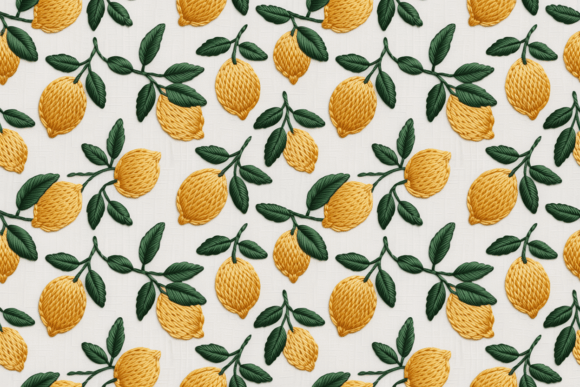
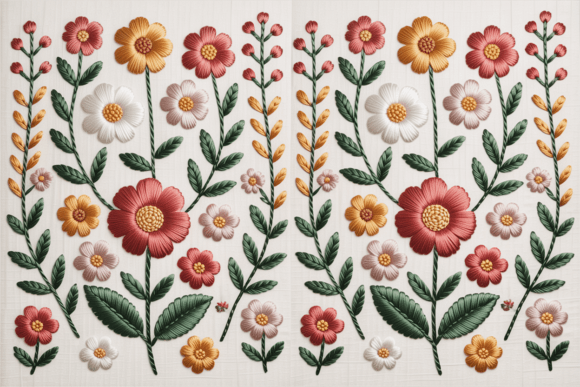
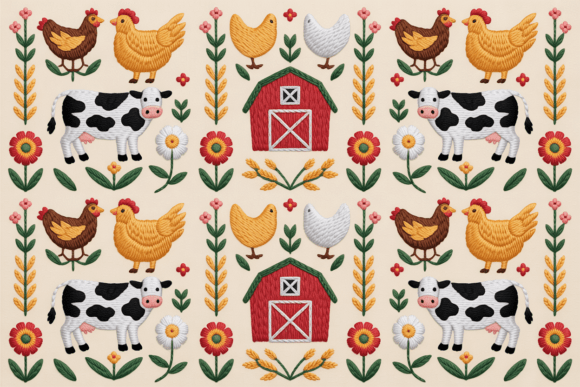
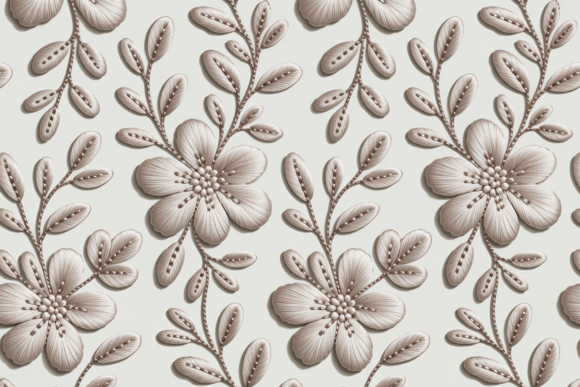
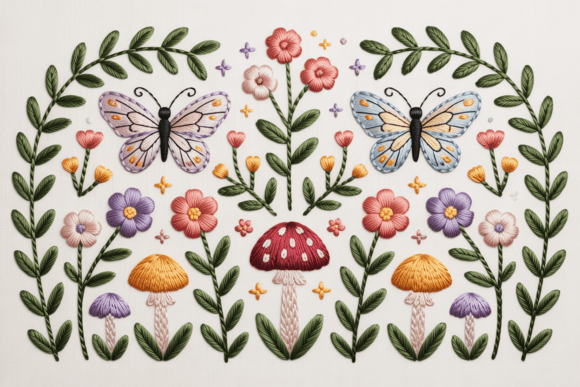
The title alone suggests a mood that is currently dominating the handmade market: whimsical, natural, and soft. Upon reviewing the included assets, specifically the 1 seamless PNG 300 DPI with linen texture fine thread details, the design feels distinctly rustic yet modern. It does not scream for attention with neon brightness; instead, it invites the viewer in with a sense of calm elegance. For a boutique maker, this is crucial. The design avoids being overly busy, which makes it versatile enough for various demographics, from young parents looking for nursery decor to adults seeking sophisticated home accents.
The "fine thread details" mentioned in the description suggest a delicate touch. In person, this translates to a premium look. Customers at a market often equate intricacy with value. If the design maintains its clarity without looking like a solid block of thread, it elevates the perceived quality of the finished product. However, because it relies on fine details, it requires careful execution to ensure those nuances are not lost on textured fabrics.
Product Versatility for the Craft Fair Booth
When planning my table display, I always ask: where does this design shine? The Whimsical Forest Embroidery Pattern is exceptionally well-suited for natural fiber products. Here is how it performs across key categories:
- Tote Bags and Market Bags: This is arguably the strongest application. A canvas tote with a forest motif sells itself to eco-conscious shoppers. The seamless nature of the PNG allows for creative placement, either as a central focal point or repeated subtly along the bottom hem.
- Tea Towels and Aprons: Kitchen textiles are impulse buy staples. The linen texture detail in the graphic complements actual linen or cotton tea towels beautifully. It adds a farmhouse charm that appeals to gift buyers.
- Embroidered Patches: Because the design is provided as a high-resolution graphic, it can be printed onto heat-transfer vinyl or used as a reference for dense satin stitch patches. These are excellent low-price-point items that draw people to your booth.
- Pillow Covers: For home decor vendors, this pattern works well on neutral-toned pillowcases. It provides a pop of personality without clashing with existing interior design schemes.
For Etsy sellers and digital creators, these assets are gold. You can use the seamless PNG to create realistic printable mockup listings before you even stitch a single thread. This saves time and helps test market interest before committing to physical inventory.
Production Practicality and Stitch Density
While the visual appeal is high, we must address the practicalities of turning a digital embroidery file concept into a physical item. Since the product includes graphics and textures rather than a pre-digitized stitch file, you will need to digitize this yourself or hire a digitizer. This is a critical step.
The mention of "fine thread details" is a double-edged sword. On one hand, it looks beautiful. On the other, it requires precise stitch density management. If the density is too high, the fabric will pucker, especially on lighter materials like tea towels. If it is too low, the "whimsical" details may look sparse and unfinished. I recommend testing the design on scrap fabric identical to your final product material. Pay close attention to how the thread colors interact with the fabric base. Earthy greens, browns, and muted blues will likely perform best, maintaining the forest theme without looking muddy.
Another consideration is the hoop size. For smaller items like caps or pouches, you may need to scale the design down. Be cautious here. Fine details can disappear or merge when reduced significantly. Always check the legibility of the design at its smallest intended size. If the forest elements become indistinguishable blobs, you may need to simplify the digitizing for smaller applications.
Navigating Fabric and Surface Challenges
Not all surfaces are created equal. The Whimsical Forest Embroidery Pattern will behave differently depending on where you place it. Curved surfaces, such as baseball caps, present a challenge for detailed designs. The distortion from the curve can stretch the image, potentially misaligning fine lines. I advise using a strong cut-away stabilizer for caps to maintain shape and stitch integrity.
Textured towels are another tricky substrate. The loops in terry cloth can swallow small stitches. If you plan to sell apron embroidery or towel sets, consider using a water-soluble topping stabilizer. This keeps the stitches sitting on top of the texture rather than sinking in, preserving the crispness of the forest imagery. For dark fabrics, ensure you are using high-contrast thread colors or consider adding a white underlay to make the design pop, though this may alter the soft, whimsical vibe if not done carefully.
Commercial Viability and Brand Consistency
For small shop product lines, consistency is key. This pattern fits seamlessly into a brand identity focused on nature, sustainability, and handcrafted quality. It does not feel disjointed or trendy in a fleeting way; rather, it feels timeless. This longevity is vital for building a loyal customer base.
Before launching any commercial embroidery line using these assets, you must verify the licensing terms. The description lists graphics and patterns, but it does not explicitly state commercial usage rights for the final stitched goods. Always confirm whether the license covers physical sales, digital resales, or both. Assuming permission without verification is a risk no professional designer should take.
In conclusion, the Whimsical Forest Embroidery Pattern is a strong contender for any maker looking to expand their nature-inspired collection. It offers high visual appeal for craft fair product displays and versatility across multiple textile types. By paying attention to stitch density, stabilizer choice, and fabric texture, you can transform these digital assets into best-selling handmade items. Remember to test thoroughly, mockup realistically, and respect the intellectual property boundaries to ensure your business thrives.